Cost dashboards your customer will actually read
Updated
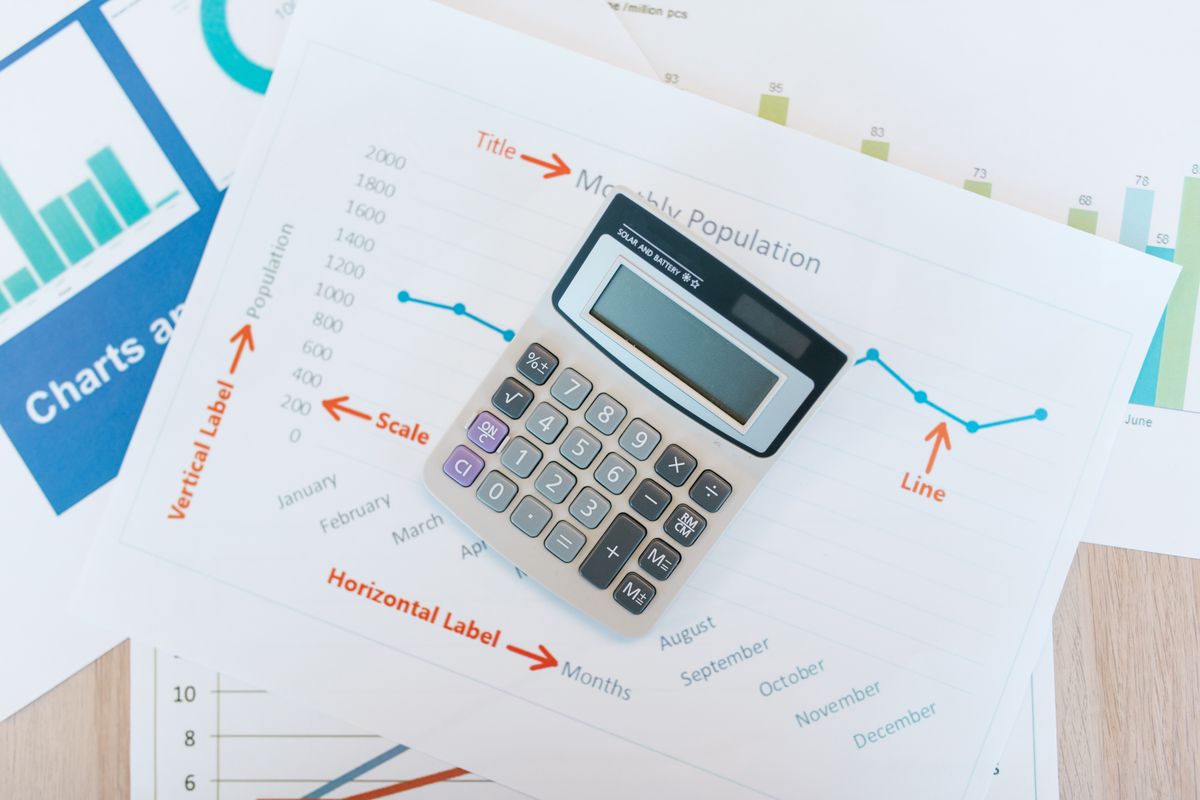
Three numbers, one owner, one decision: the cost report that survives past the first meeting.
Cost dashboards fail as galleries of charts. They survive as three numbers attached to decisions.
The short answer
One page: spend versus budget, three drivers with owners, one forecast with a decision attached. Reviewed monthly, alerted on breach.
The one-page layout
| Block | Contains | Decision it drives |
|---|---|---|
| Spend vs budget | Month to date, forecast, variance | Continue, trim, or replan |
| Driver 1-3 | Service, amount, trend, owner | Named fix with a date per driver |
| Forecast | Next quarter at current trend | Approve, cap, or redesign now |
Worked example: the dashboard that cut the bill
A fictional team (fictional) finds one retrieval workload driving 60 percent of model spend with no eval lift behind it. The driver gets an owner, a cap and a cache slice; next month the variance line bends. The dashboard survives because it caused that bend. The outcomes post keeps the focus on value per spend; the eval post proves whether spend buys quality.
Checklist: dashboards that live
- One page, three drivers, every driver owned.
- Forecast carries a decision, not just a line.
- Reviewed monthly with invites sent.
- Breach alerts route to a person, not a channel nobody reads.
Related reading
Straight answers
Frequently asked questions
What belongs on a cost dashboard?
Spend versus budget, top three drivers with owners, and one forecasted decision. Everything else is appendix.
Who owns the cost number?
A named owner per driver plus one accountable approver. Shared ownership means nobody acts.
How often should it be reviewed?
Monthly with the owner, plus an alert on threshold breach. Dashboards nobody reviews are decoration.